Visual Stickery

Visual Stickery

The seed was planted with the Reclaim Hosting logo I created a year or so ago. Jim Groom got some stickers and T-shirts printed — and Reclaim merch went global. Some time later, I found myself at a meeting when someone opened their laptop… the Reclaim logo staring back at me.

Apple aren’t so slow — they know that anyone opening a Macbook says something to the person opposite. They probably want you to keep it nice and clean too… But a few unorthodox individuals had asked me “can I have that artwork you did as a laptop sticker?” I really liked the idea, but when I looked into setting up a sticker service — it seemed to me to be more trouble than it was worth.

Recently though, I backed a friend’s Kickstarter campaign to produce a small print run of a comic he had created. I was intrigued at how by supporting him, I found myself with a different connection both with him and his work.

And so I began to entertain the idea of a crowdfunded campaign of some of my artwork. And so Visual Stickery was born…
Now that I’m retelling the story, here was my simple reasoning:

  • I know very little about crowdfunding campaigns, so what better way to get up to speed than actually do one? Treat everything like an experiment.
  • If everyone ordered at the same time, we could do a single print run for printing stickers. And if no-one buys any stickers, we can reasonably cut our losses without having spent money on printing. If we’re going to fail, let’s fail early.
  • At the time, my Rookie was finishing their first 6 months at my non-profit wapisasa CIC, and so I had the opportunity of employing them for 2 days a week. Great experience for them — and a companion on the journey for me. Find good people — keep good people.
  • If we made any surplus, I decided it would go to wapisasa, and therefore help develop more Rookies, making this a sort of fundraiser rather than a profit-maker. As a result, we decided that Indiegogo would be a more appropriate crowdfunding platform than Kickstarter. I’m not about profit; I’m about people…

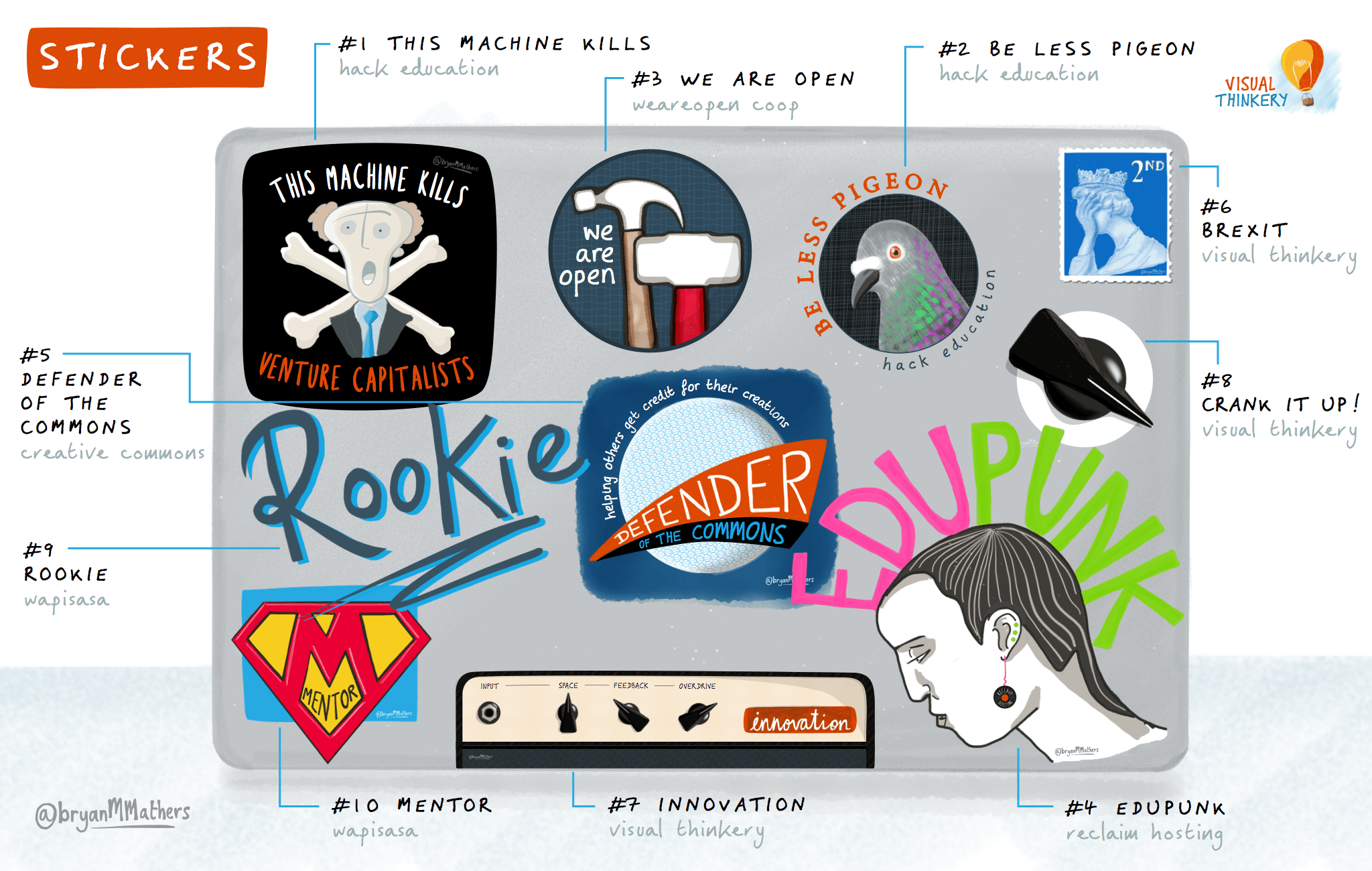
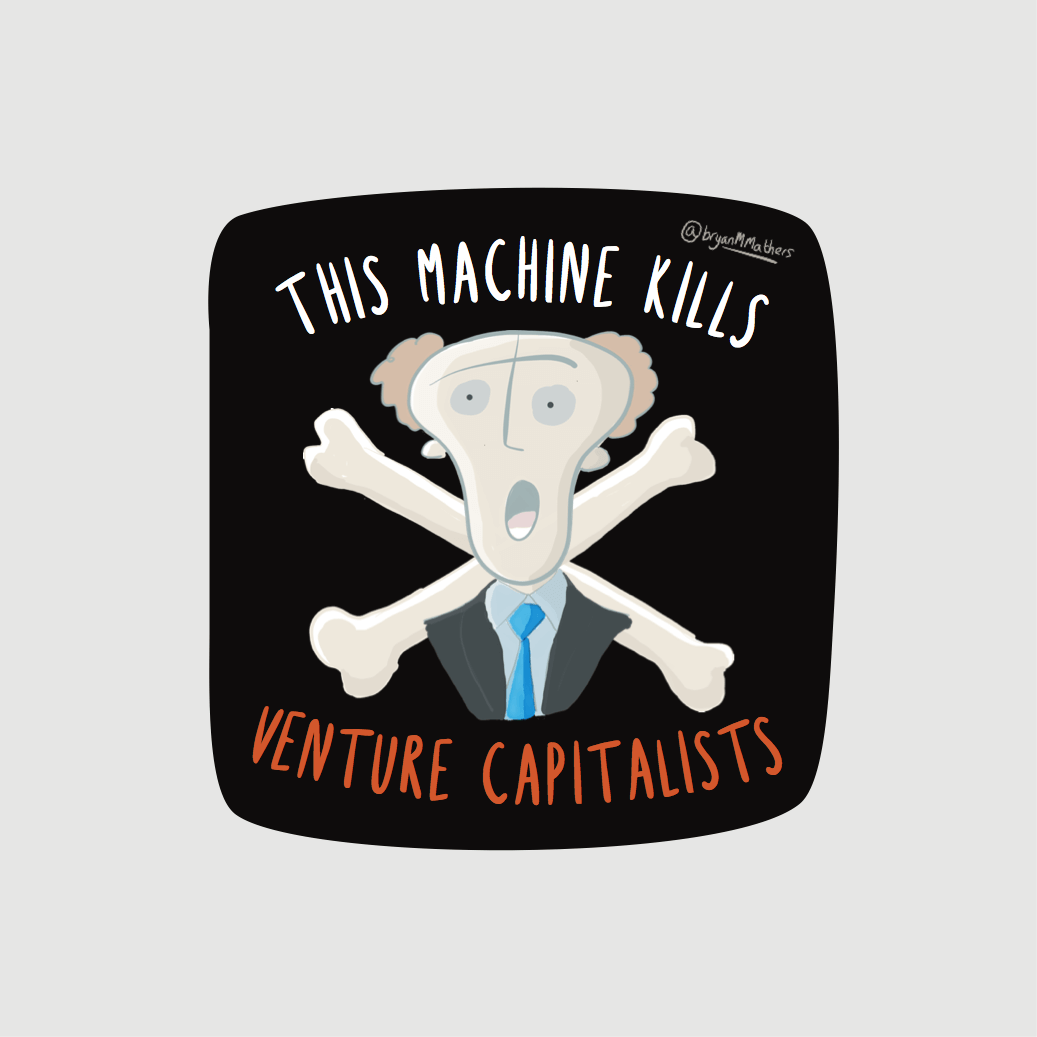
Most of the stickers I chose were created as a result of a conversation with someone (that’s where the gold is, I tell thee!). As I consider it to be some of my best work so far, I asked Audrey Watters and Jim Groom if they would be happy with us including designs I had done for them. Awesome people that they are, they were quick to give me their support and encouragement.

After getting the artwork created, we ordered a small prototype print run to see what the feel and quality was like. I was keen to experiment with transparent-edged stickers, hopefully giving a “tattoo” feel, which I think fits with the creations. This idea led to us dipping into tattoo metaphors and lingo. When the prototypes arrived, I wasn’t disappointed —  I immediately had to put them all over my laptop — and they’re still there!

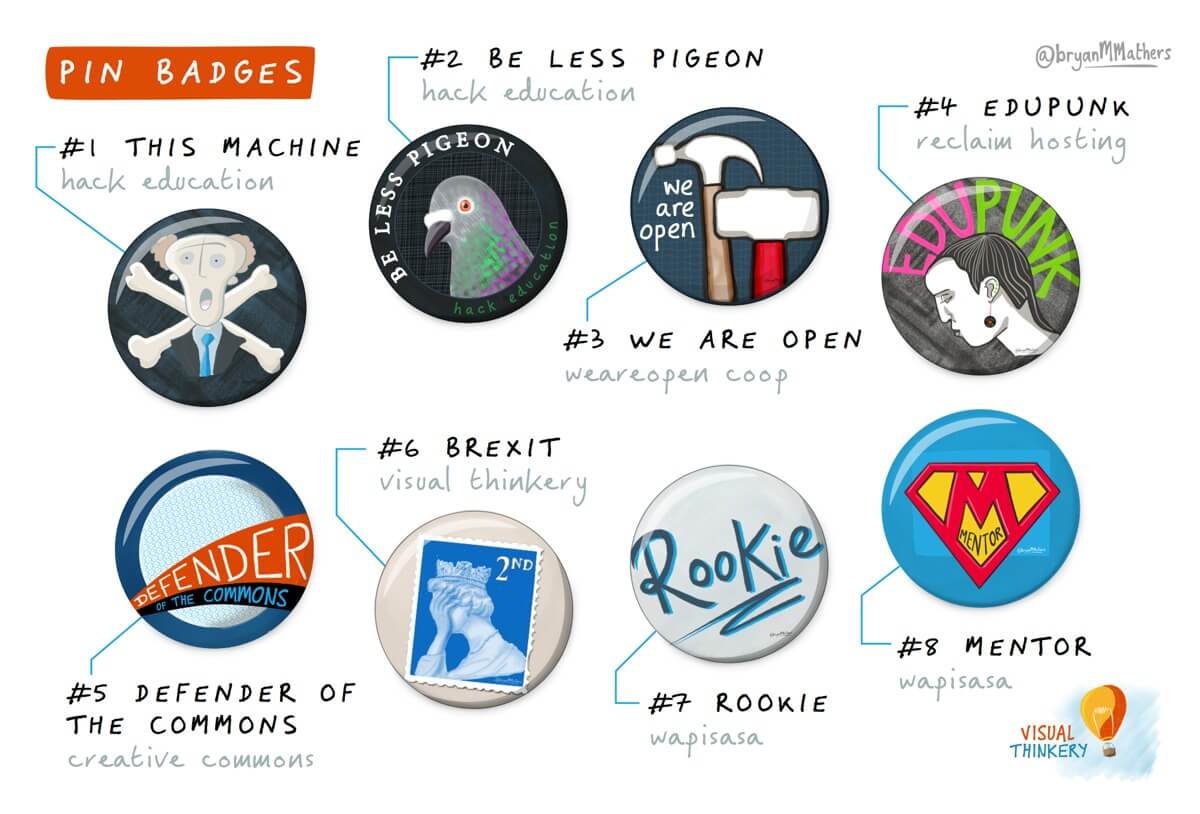
Whilst we were busy thinking about stickers, an offer came serendipitously across our paths to also get some pin badges (or buttons in the US) made too. So we decided to add those to the campaign as well…

So the product shaped up — but what I hadn’t banked on was how much work it was to articulate the message of the campaign. 

One thing I always try to do when thinking about articulating anything is to tell the story. I think about a hero, a villain, the hero’s vision, and their plan…

This campaign has now completed. Here’s how we got on.

Radical Pedagogy

Radical Pedagogy

My wife is my signpost — for some things, anyway. She reads faster than me and tells me of books that I might like. I have but one requirement: at the end of the book, I want to be able to say “I’ve never read anything like that before”. As a result, I’ve been enjoying some Italo Calvino recently (no, I hadn’t heard of him either, but I’ve never read anything like it before…).
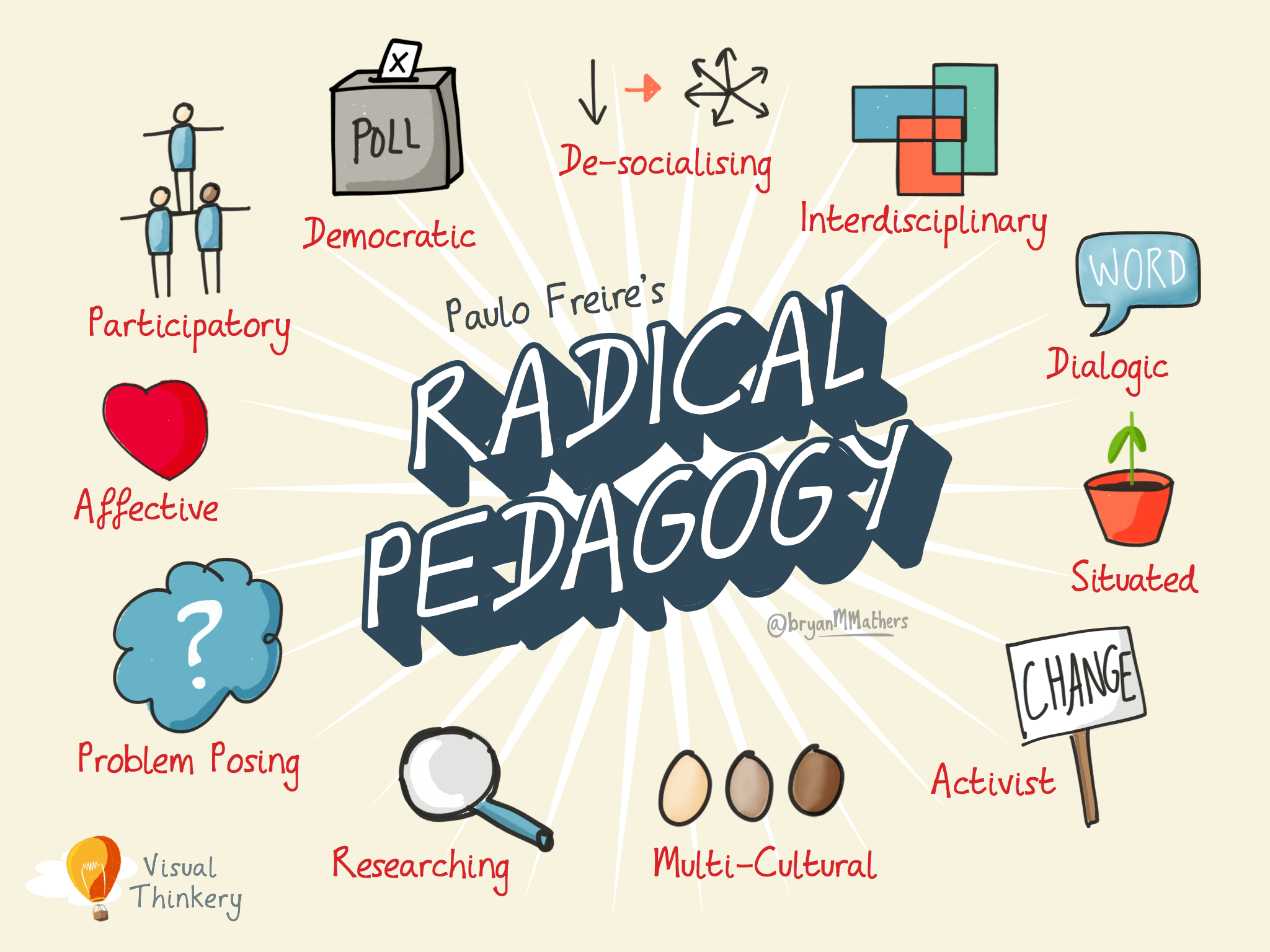
So how come all this Radical Pedagogy then Bryan? Well, this same wife is currently wading though a PGCE in her spare time, and asked if I’d create some slides for a presentation on Paolo Freire. The more I understand of his thinkery, the more I like him…

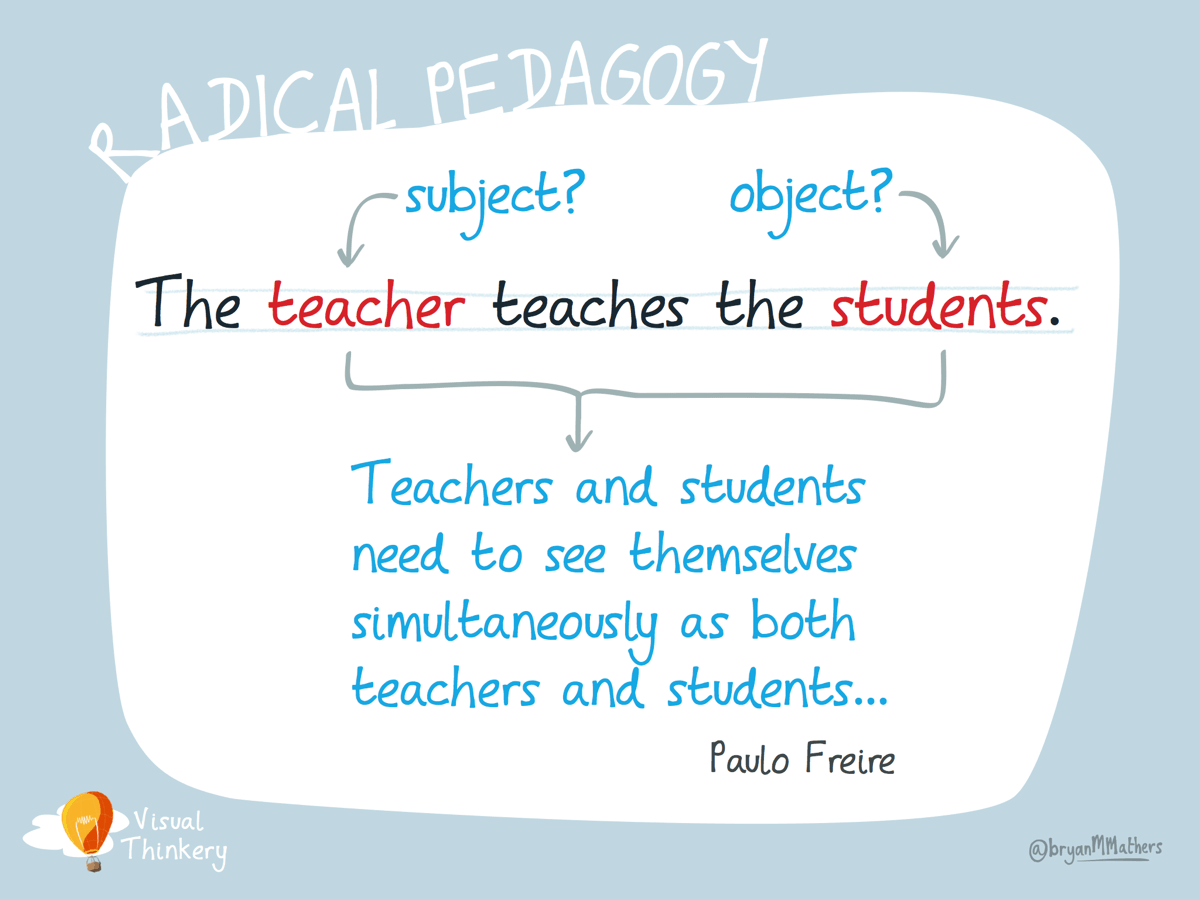
Subject — Verb — Object

As a kid in a classroom, I didn’t question it. I took what was laid before me, in the environment in which it was given. I was taught. I found it difficult to ask questions, as it revealed a lack of knowledge or understanding. The game was one of “how much do you know?“, maintaining our pecking order of perceived smartness. However, there were some teachers who came down to my level and transparently learned alongside me. It was different. They were different. The game was different: “where can we go today?

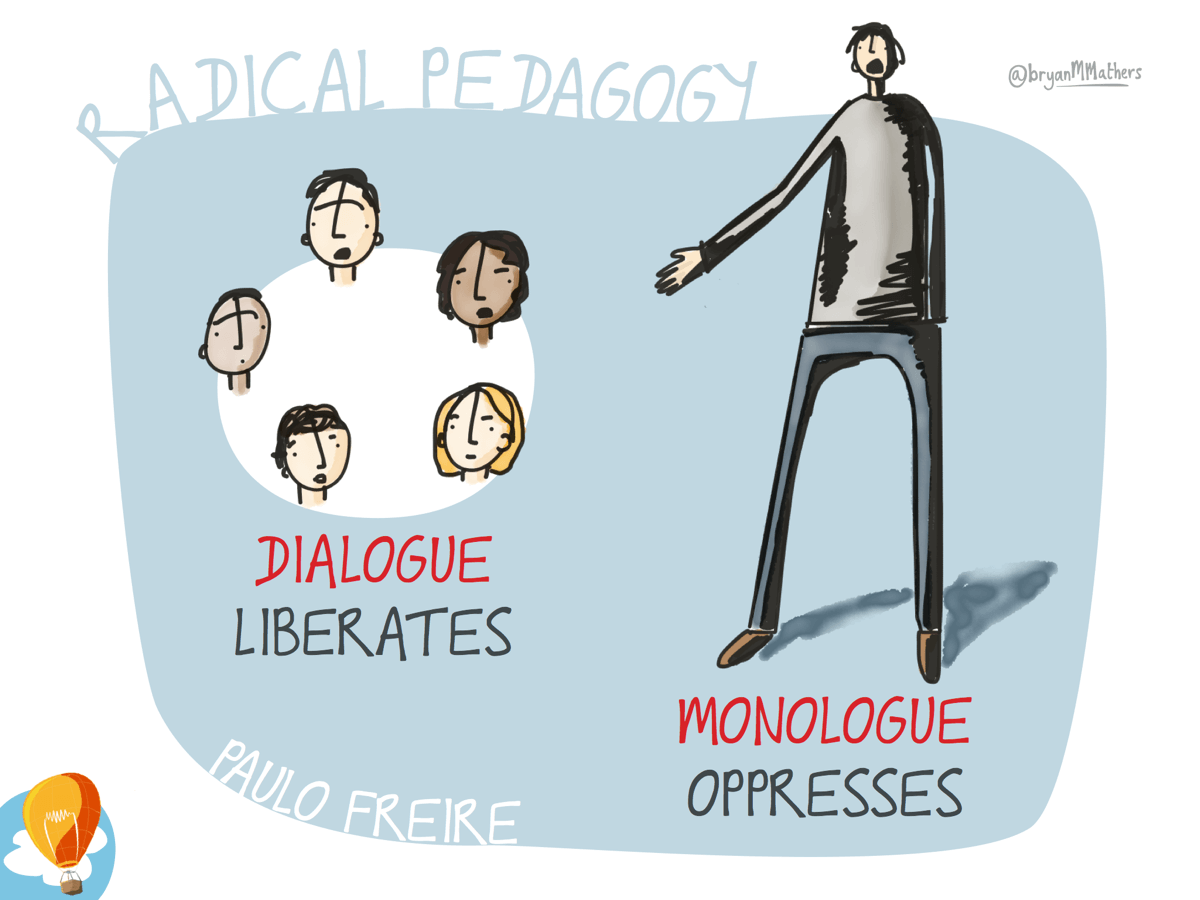
Monologue and Dialogue (a short poem)

The lecture.
At home, at school, and at church.
I’ve had so many,
but can recall very few…

The group.
At home, at school, and at church.
Articulating something half-baked,
in order to put it back in the oven and turn up the heat…

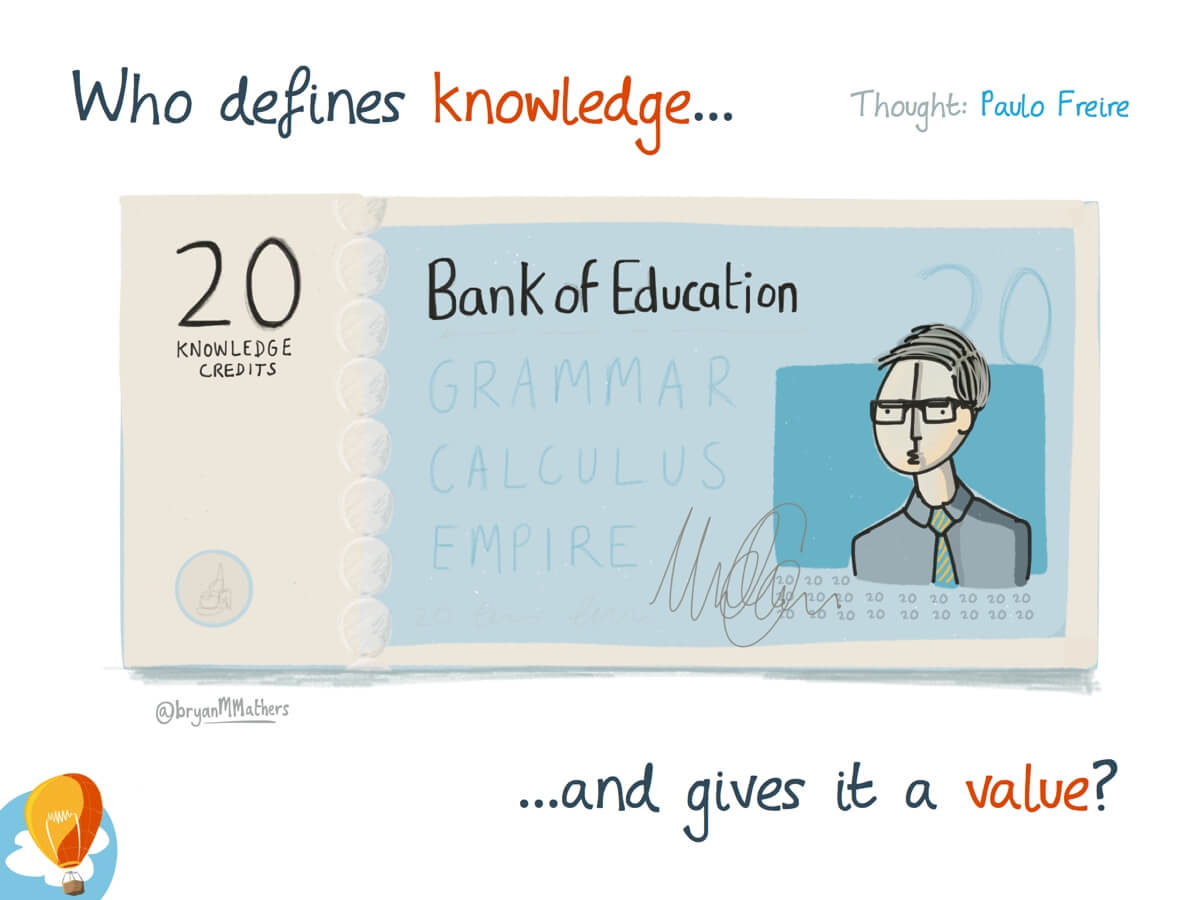
Bank of Education

ALGAE… ASTEROID… ATOM… ah. No ATILLA THE HUN…
Being in my kids room shortly before bedtime, and having momentarily confused Atilla with Genghis Khan (they won’t be happy), I instinctively reached for a handy volume from a colourful set of encyclopaedias. My search was fruitless. In the olden days, knowledge existed hidden away in pockets, which was fine if you knew which pocket and had the means to access it. However, one must not treat an encyclopaedia like wikipedia, for they offer two subtly different entry-points to learning: interest-led vs prescribed. By the way, are our schools more like encyclopaedias or wikis?

Ada College

Ada College

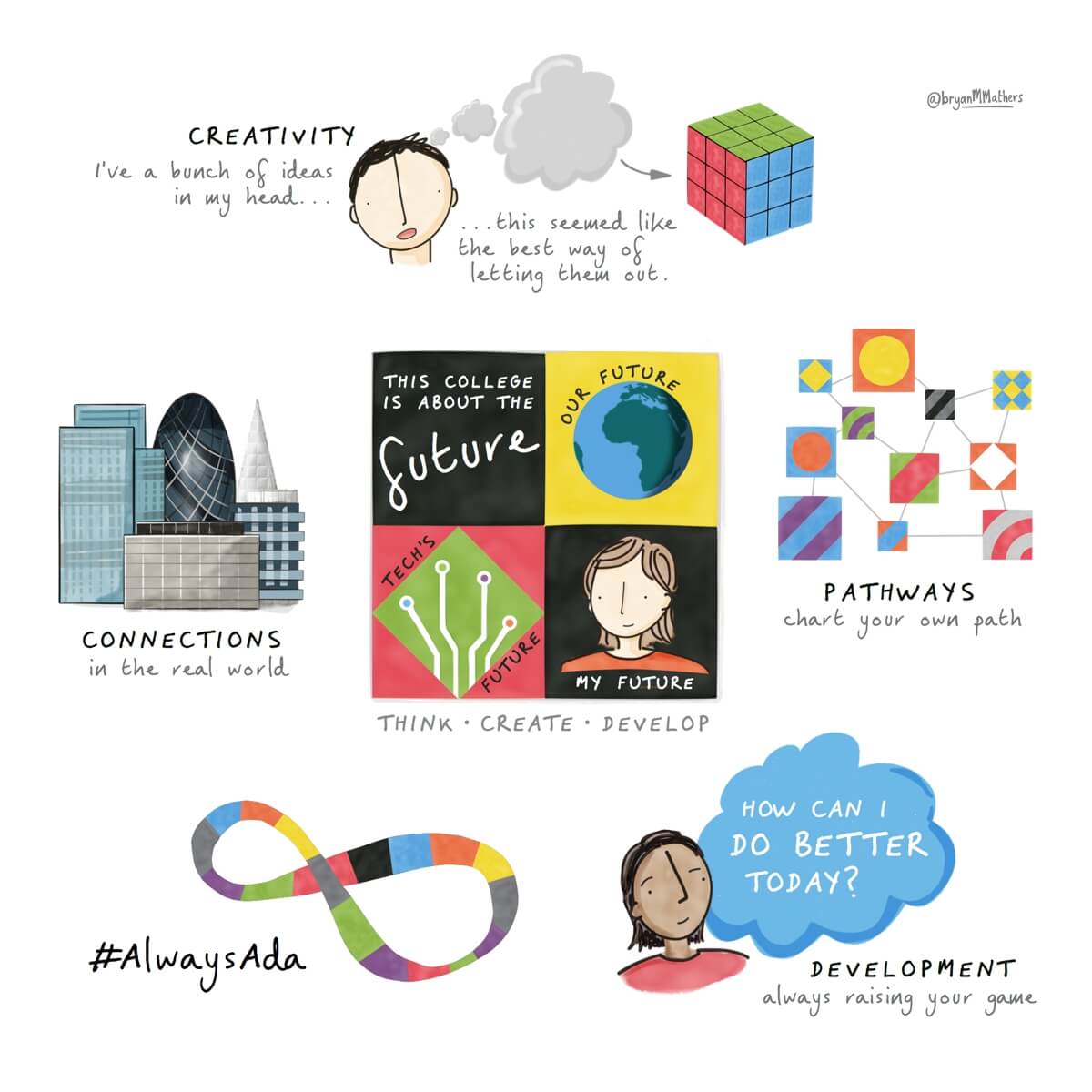
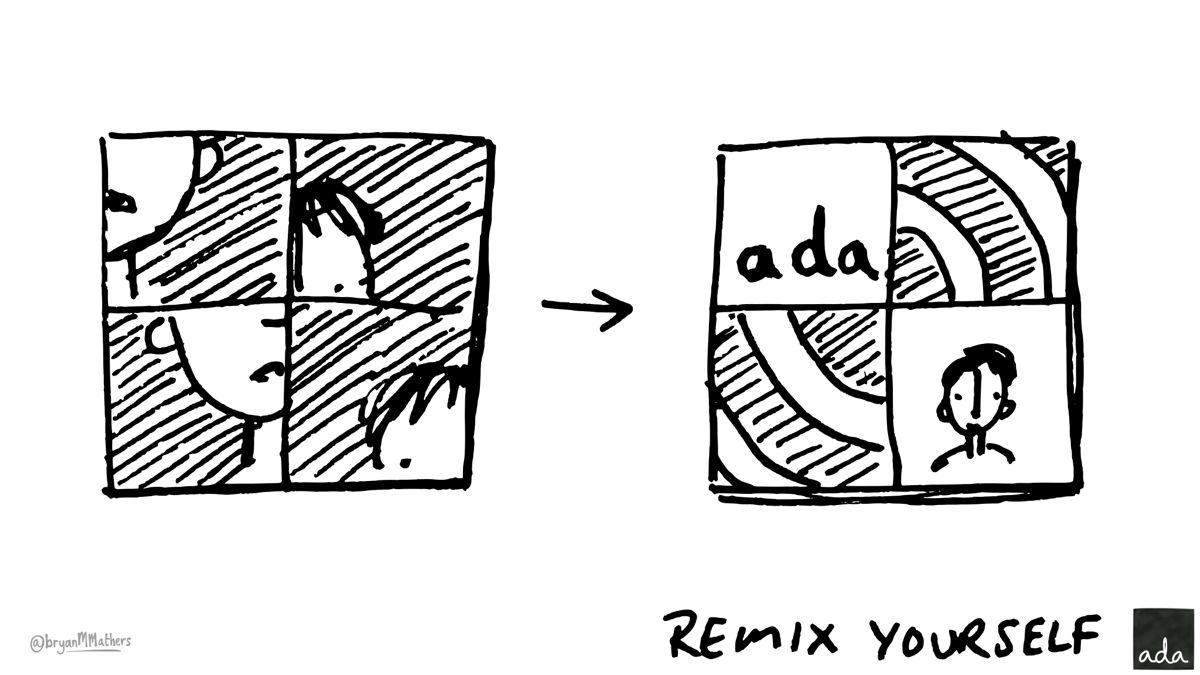
Ada College is the National College for Digital Skills in the UK. They are brand  new, and take a fresh approach to creating the designers and programmers of the future. They asked Visual Thinkery to come along and listen on the first day of the first intake of students. Having had experience getting alongside creative young people with Wapisasa C.I.C. I was more than happy to pitch up, talk to students and staff and pick up the vibe of the day.

The College itself has a great startup feel – and I couldn’t help think that I would have loved to have had the same opportunity when I was 16.

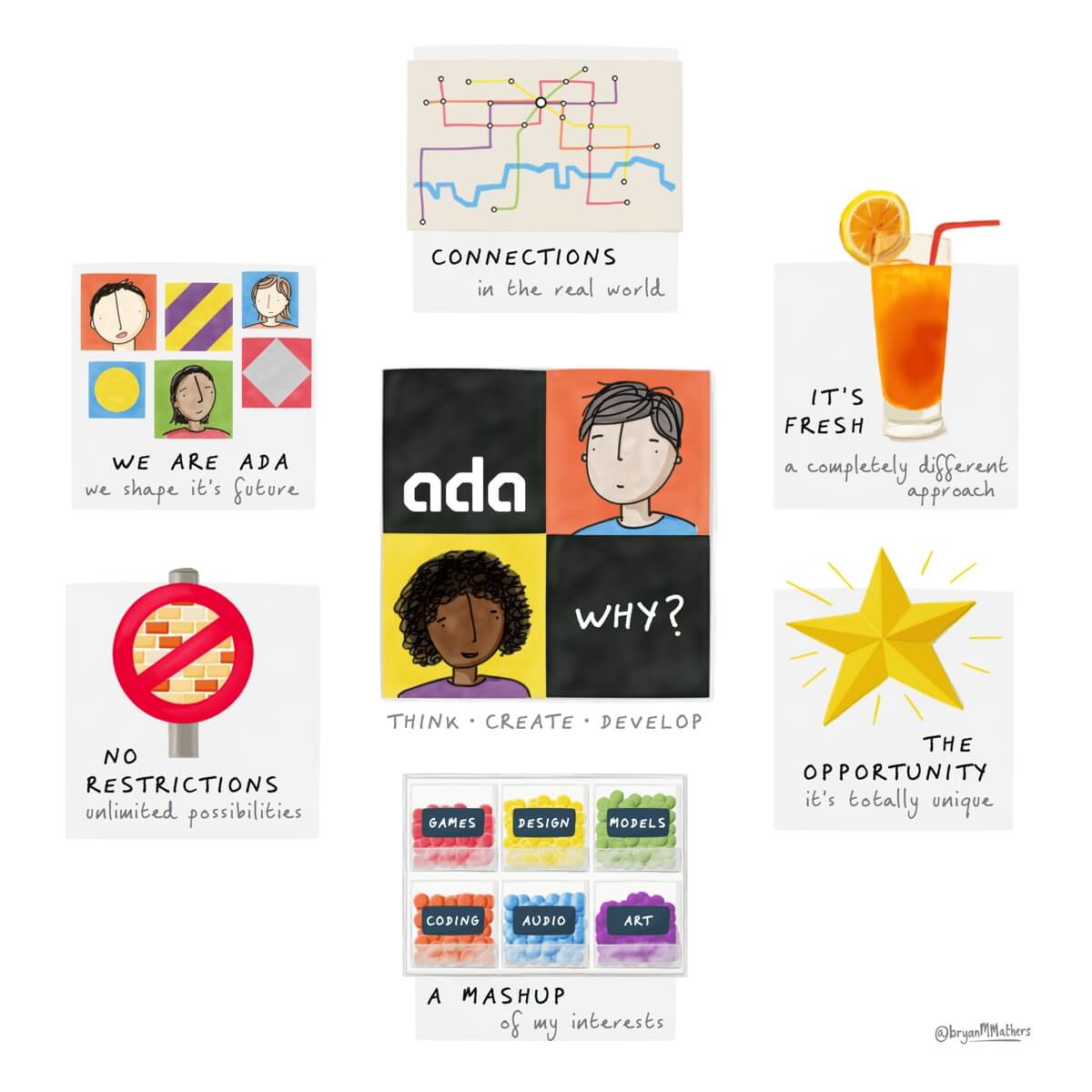
A number of thoughts emerged throughout the day, and I found myself asking the students why they had chosed Ada. There were a whole mix of reasons, but it became a key perspective that the college were keen to capture.

Read more about what Ada College are up to here.

Reclaim Hosting

An aesthetic logo

Reclaim Hosting

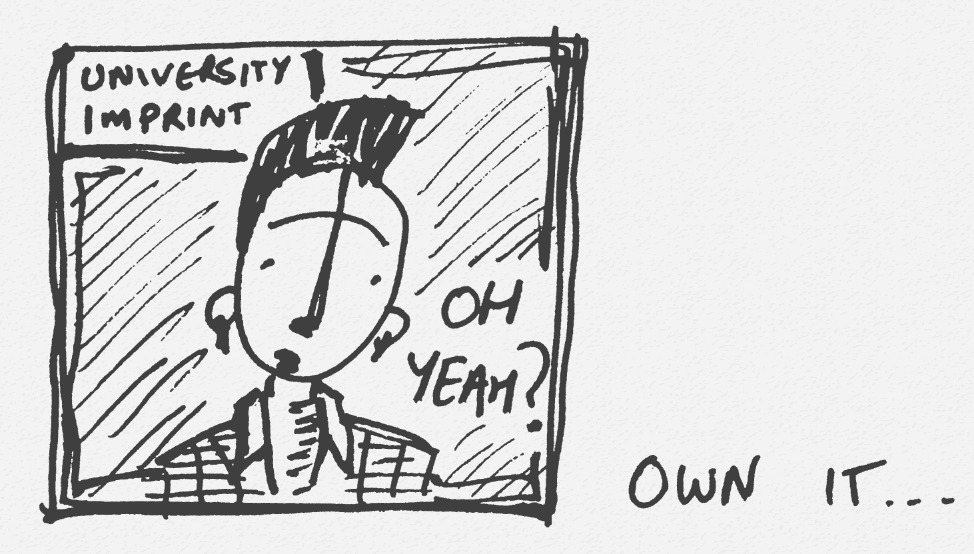
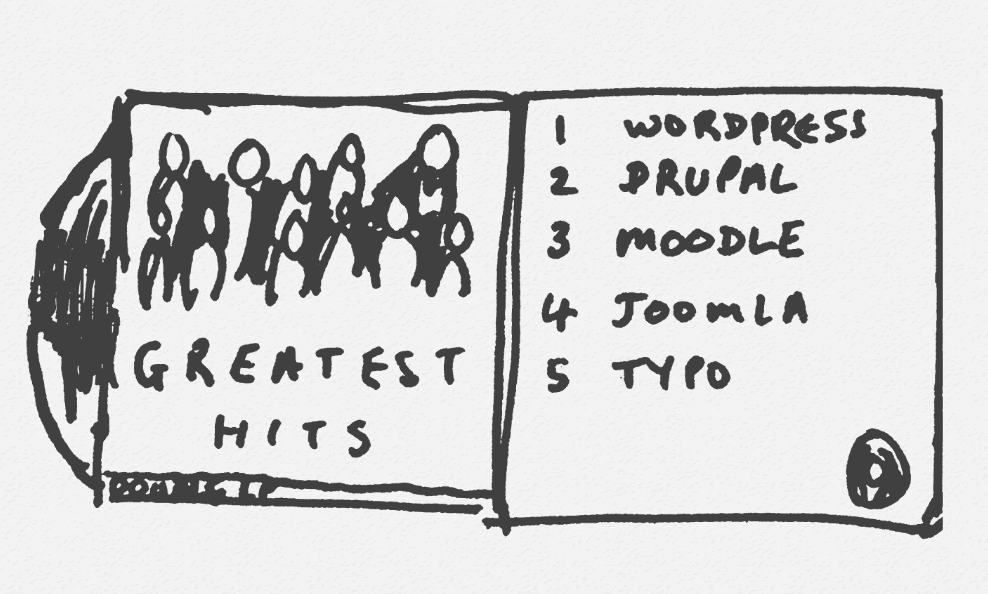
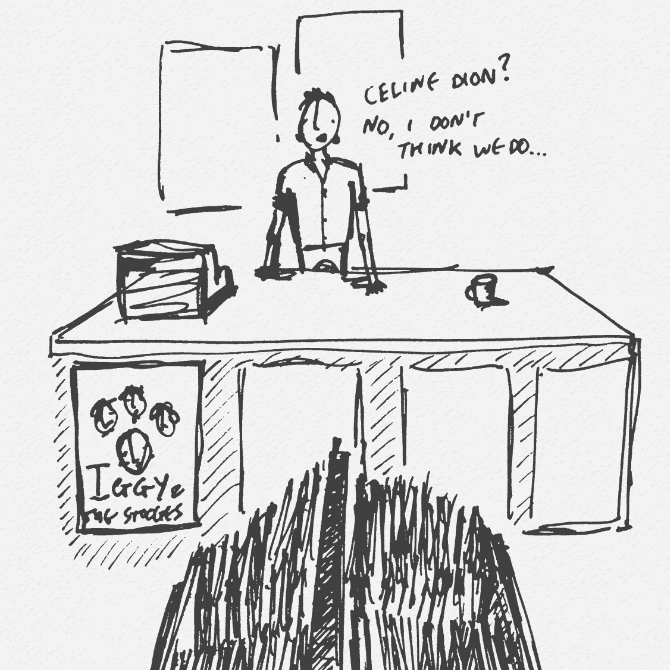
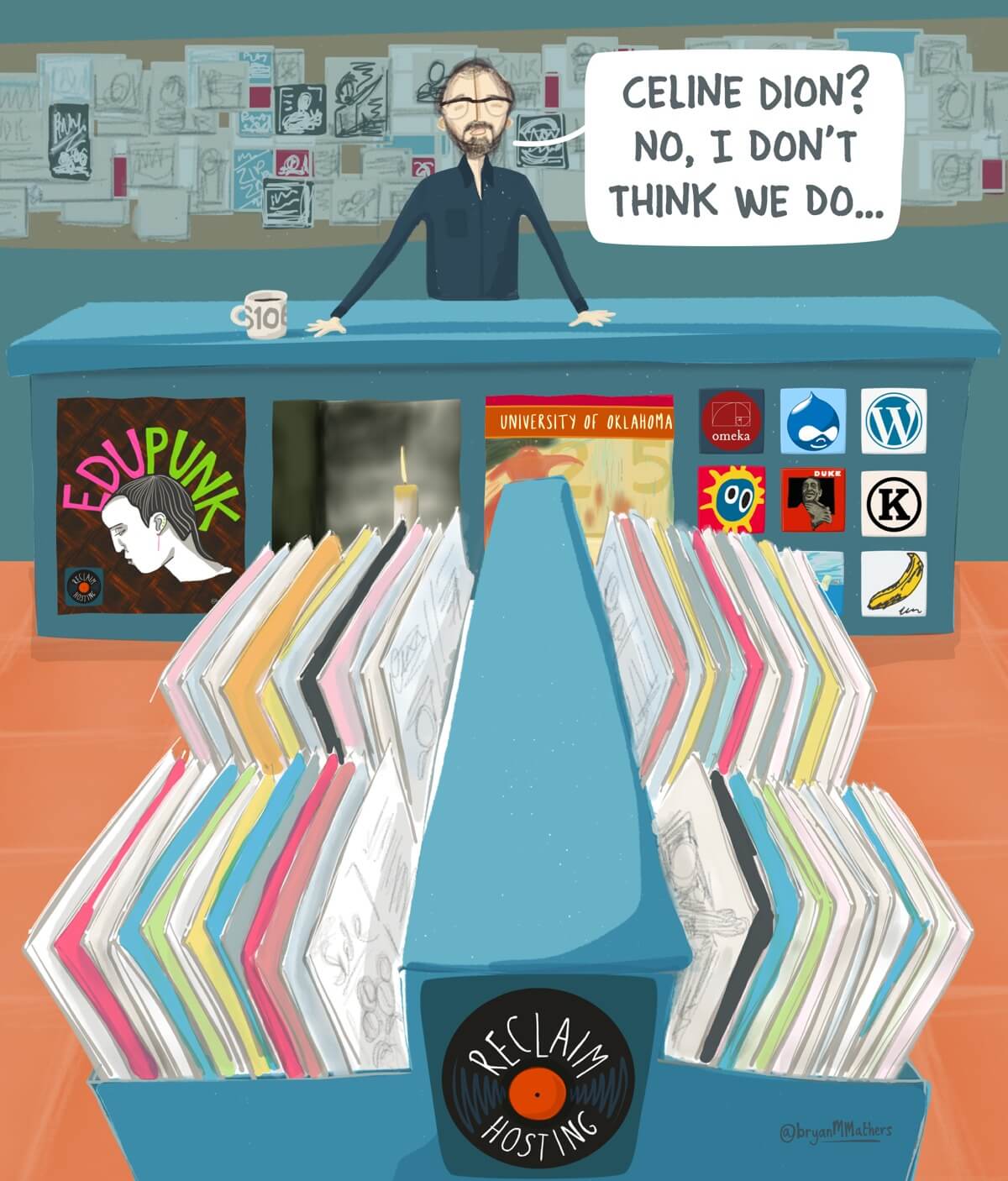
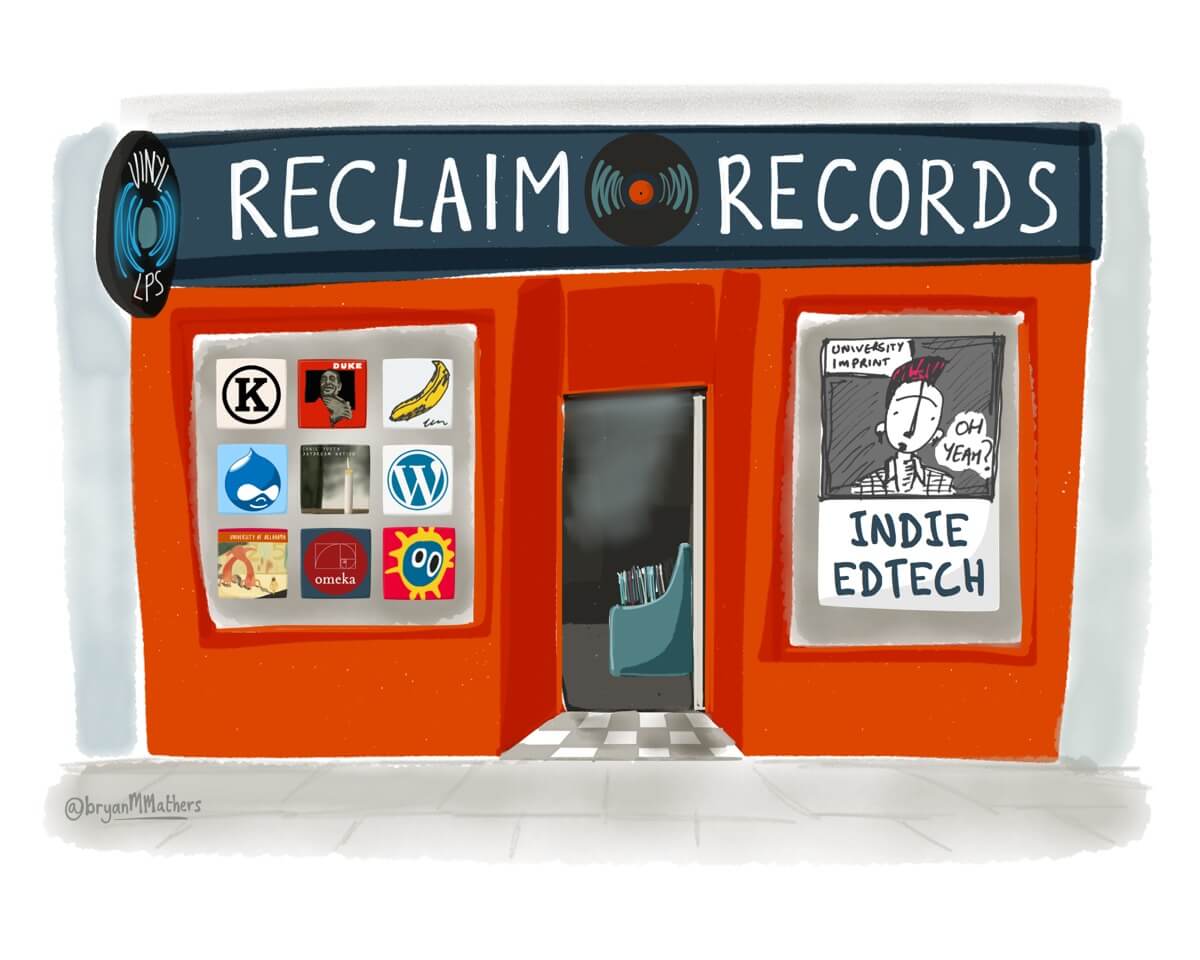
Back in the summer of 2015, I was sipping a coffee in Barcelona with Jim Groom, co-founder of Reclaim Hosting. I couldn’t help notice how he talked about his edtech startup. It struck me that he talked as if he was the owner of an independent indie record store. And so the “Reclaim Records” aesthetic was born… (here’s Jim’s take on it)

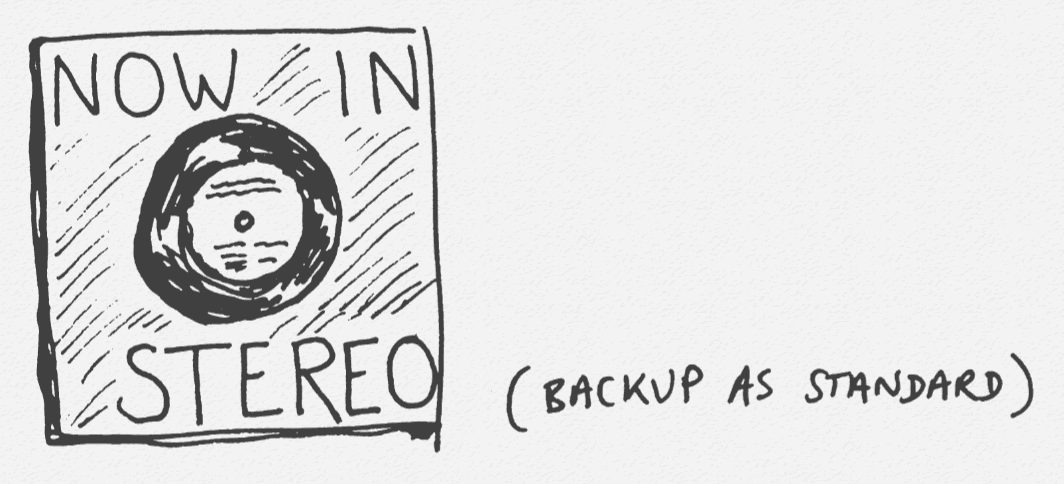
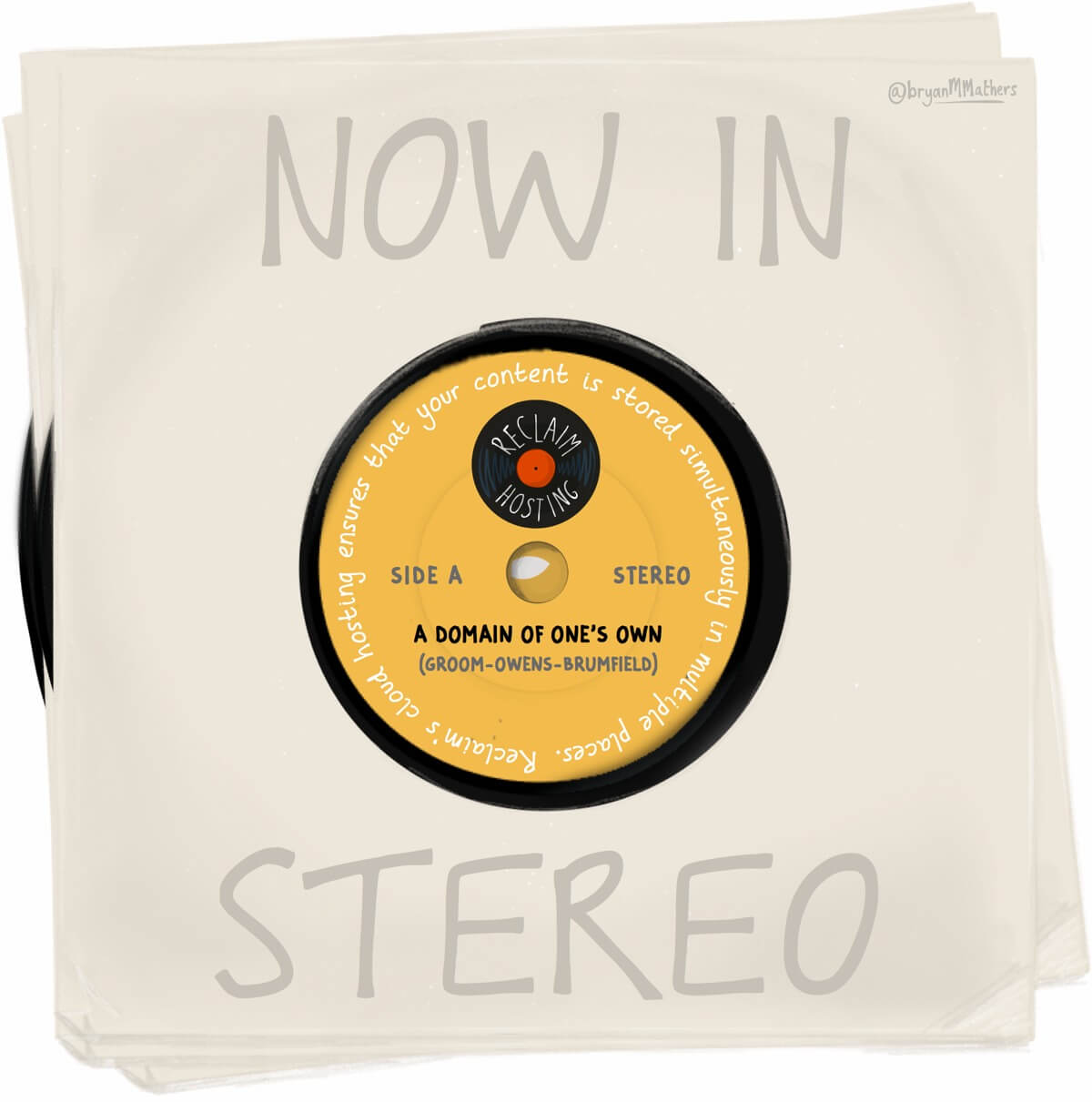
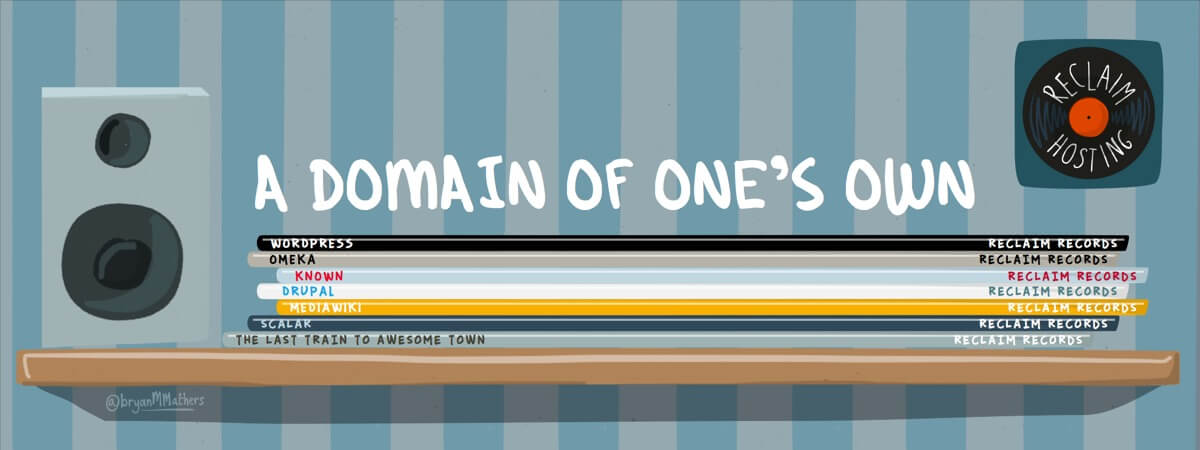
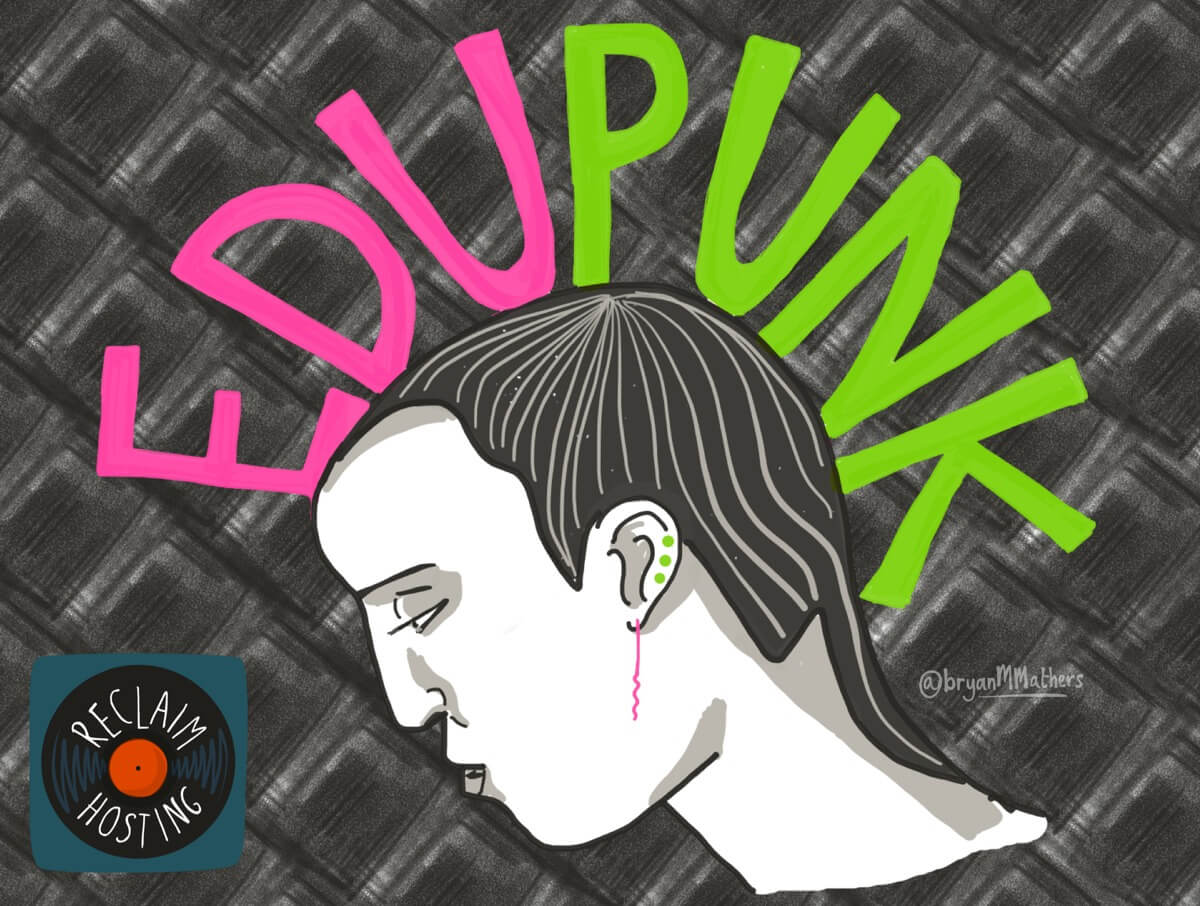
Firstly we looked through all the messages of Reclaim Hosting through the new lens of this fresh metaphor. Greatest hits, Classic Albums, Record sleeves, Stereo, the shop itself. Every time we came back to the metaphor, it gave us a different idea. Each individual message demanded a graphic. Following that, we thought about spinning it up – and making the records play. Each idea a journey that enveloped the previous graphics and incorporated them.

Inside the store...
Now in stereo - backup as default
A domain of one's own
Edupunk
Reclaim Records

The Institute for Mathematics and Computer Science (IMACS)

Teach kids how to think...

Institute for Mathematics and Computer Science (IMACS)

The Institute for Mathematics and Computer Science (IMACS) contacted me after seeing a piece of thinkery about the importance of creativity in schools get shared heavily on social media.

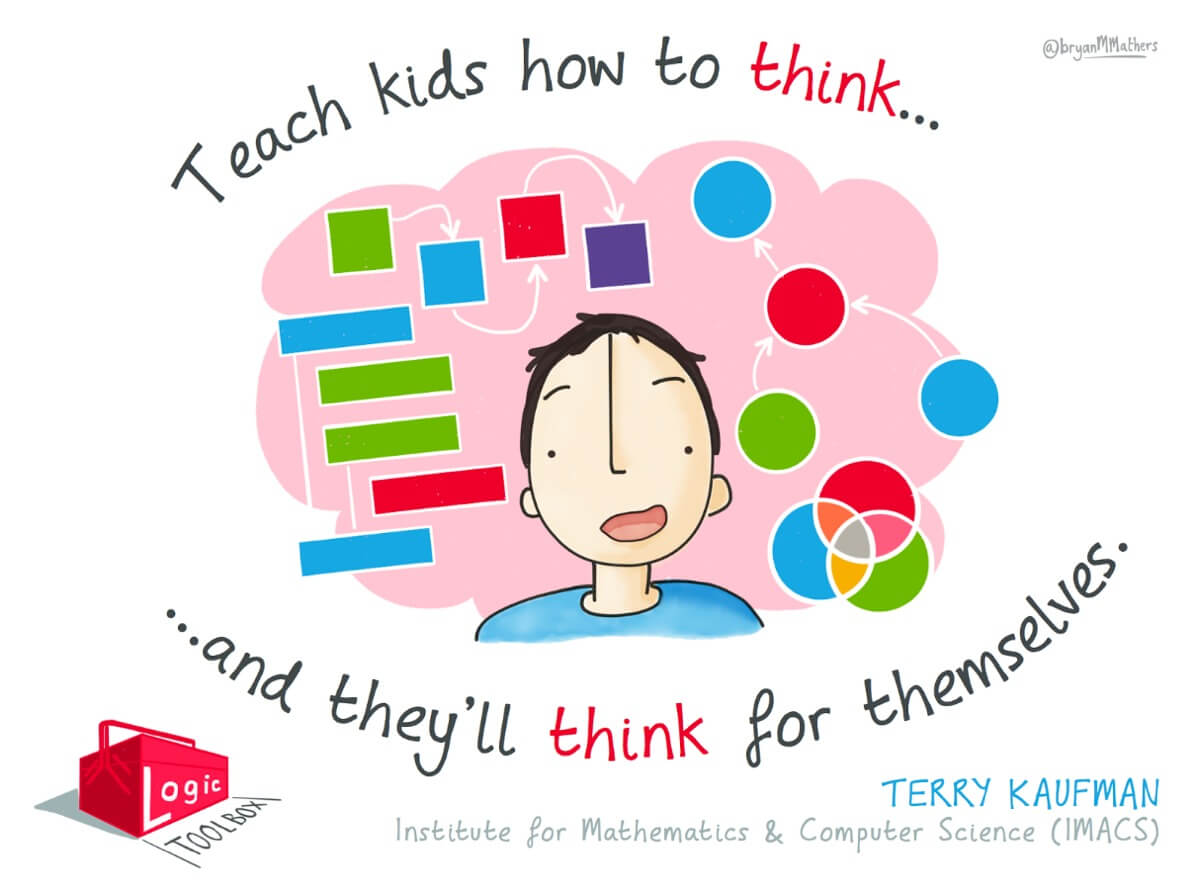
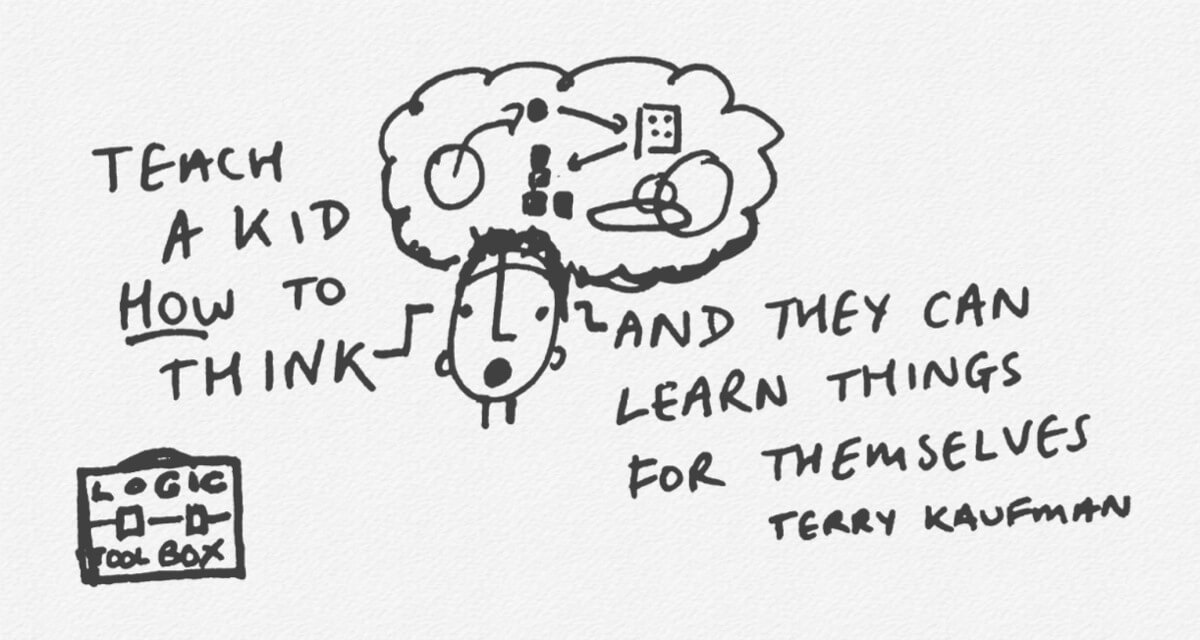
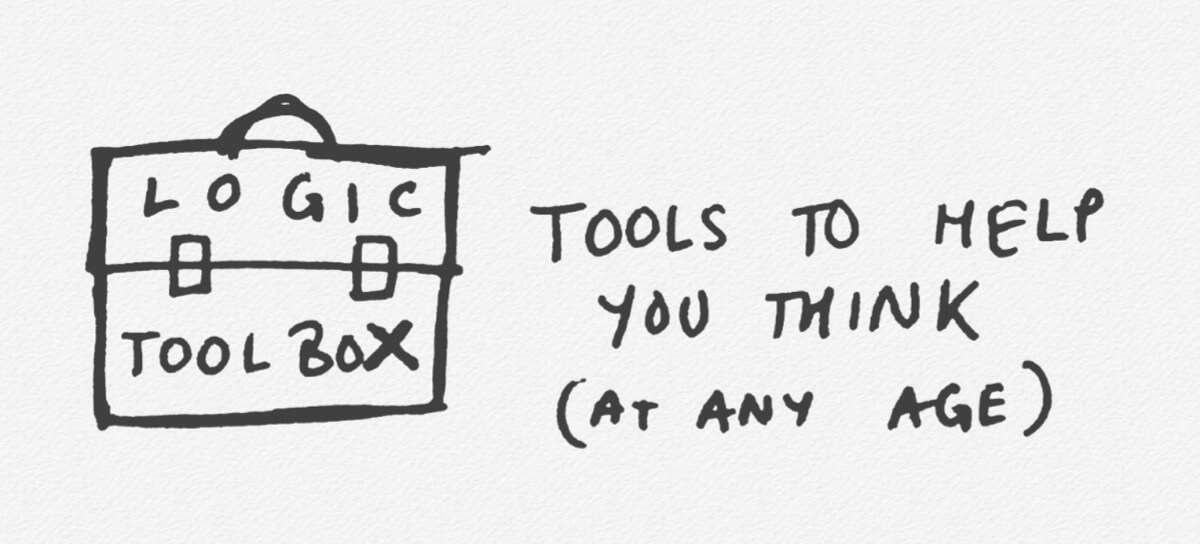
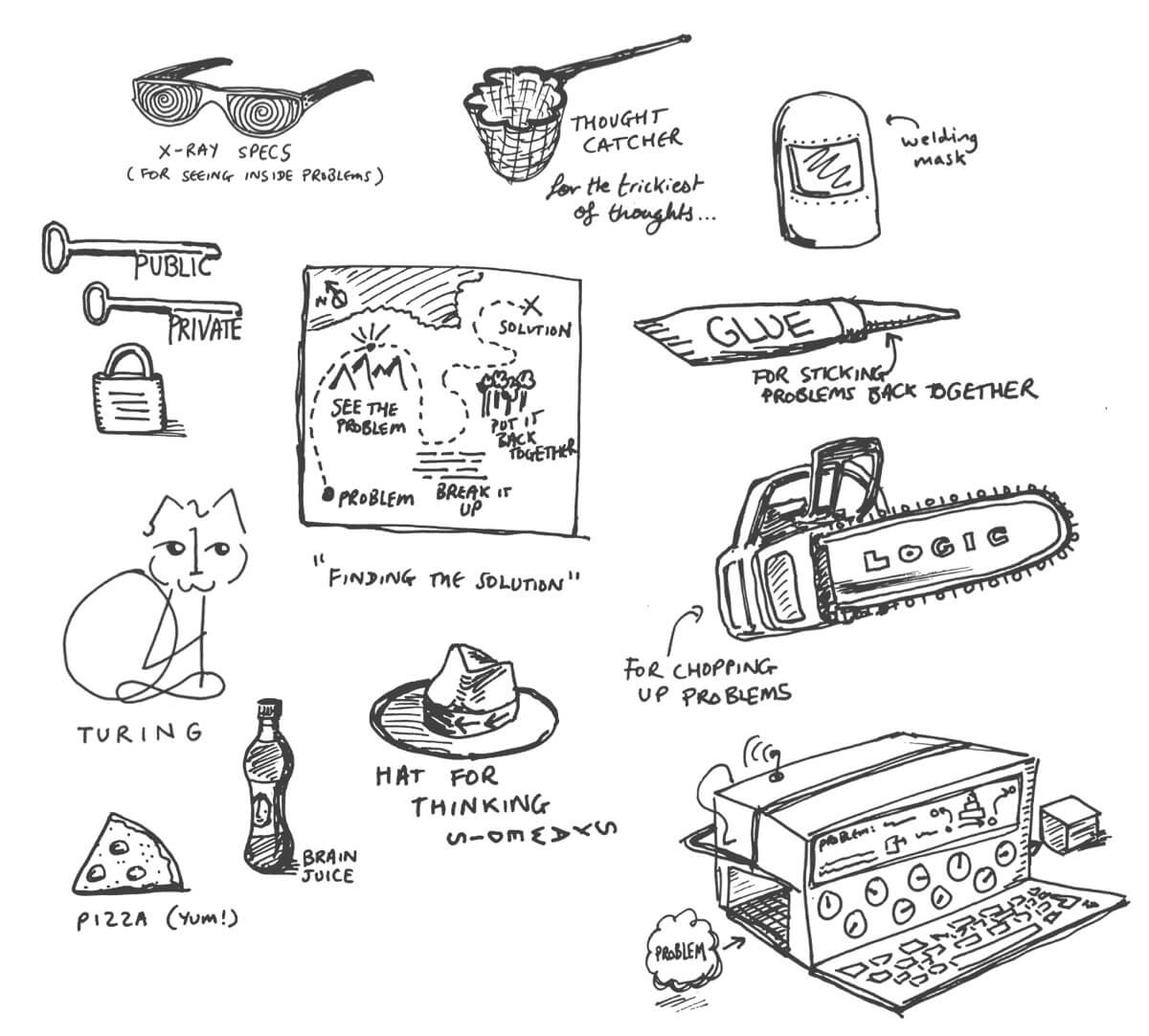
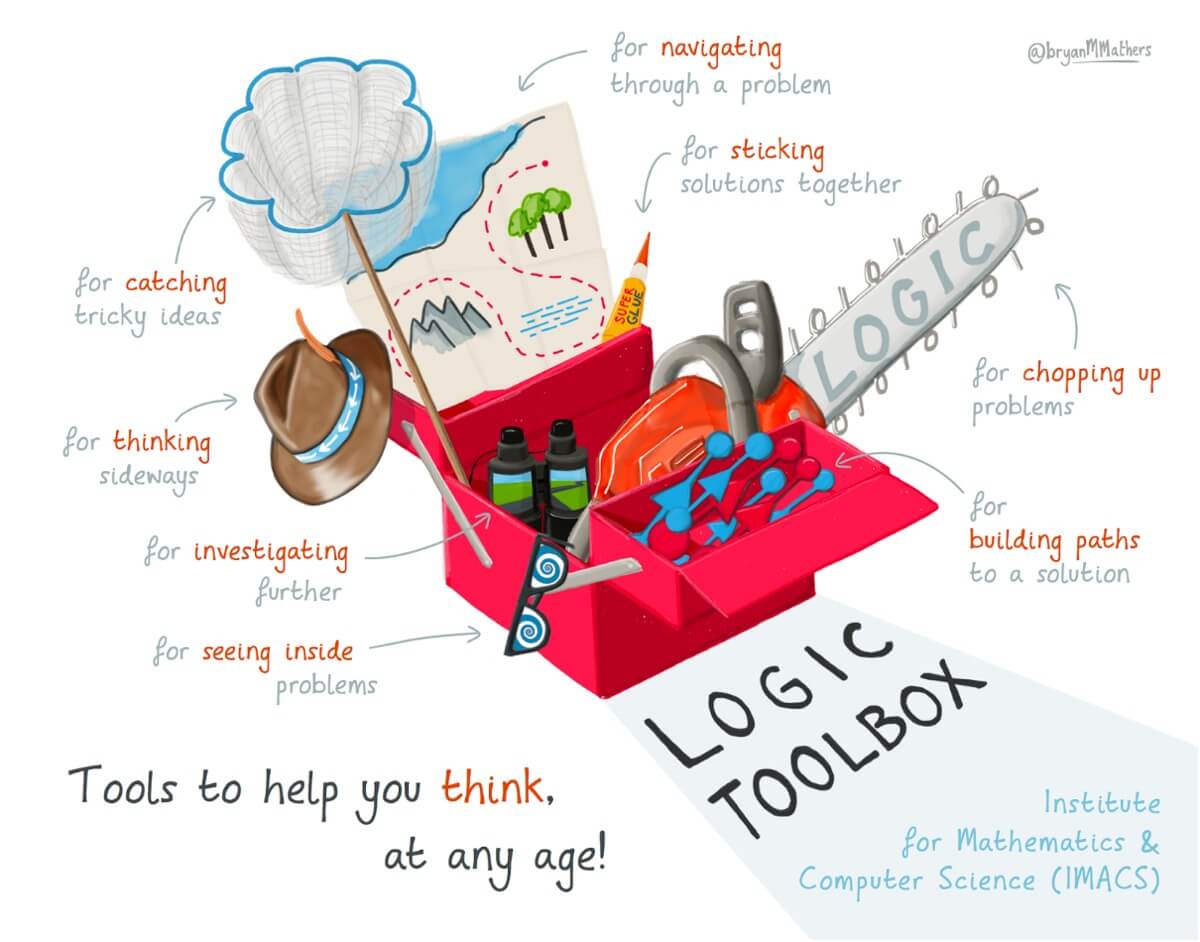
I met with their CEO, Terry Kaufman, over Skype for a couple of hours. Coming from a Maths and Software Engineering background, was immediately taken with their approach to helping kids develop logic thinking skills. However, articulating this to others – and particularly parents – is tricky. I couldn’t help but notice that he used the term “a toolbox” with regard to the logic tools they equipped their young people with. So we asked ourselves, what sort of toolbox is this? What would be in there? I even got my kids involved to help me see it from a different angle.

What a thoroughly enjoyable process! And here’s what we finally came up with:

What's in the Logic Toolbox?
Logic Toolbox - tools to help you think

You can read more about IMACS and what they do here: www.imacs.org.